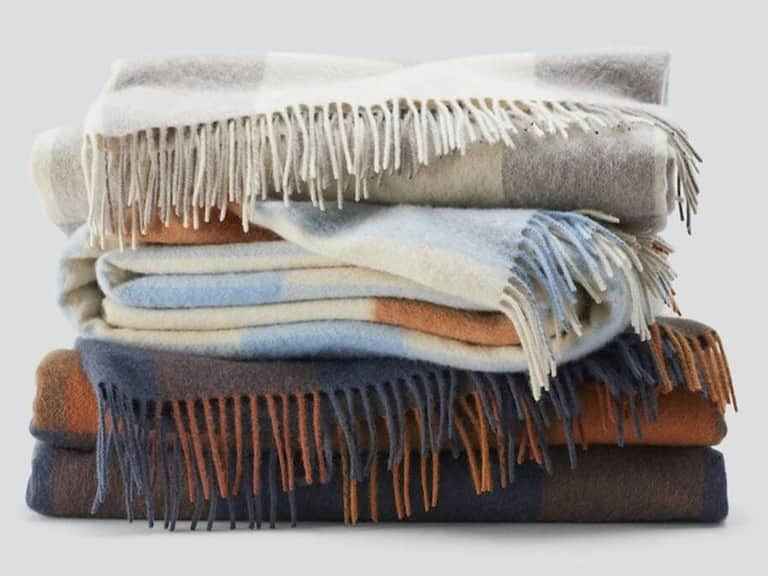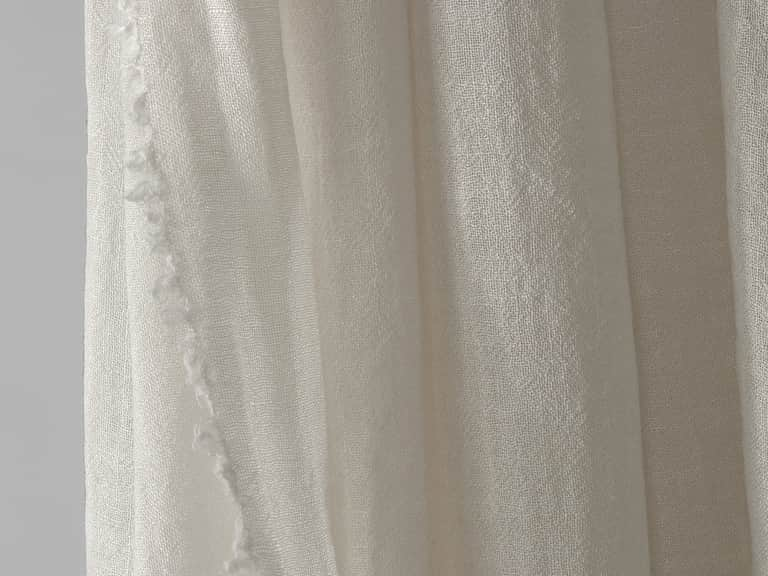
Cocktail Scarf
Elevate every look with The Cocktail Scarf—light as air, silky-soft yet warm, and easy to drape for any season. Its breathable blend stays dry to the touch, gliding from day to night with effortless style and simple care.
Explore the ethical considerations and sustainability practices shaping cashmere production and its garments. This overview covers sourcing transparency, animal welfare, environmental impact, and how consumers can make informed choices without compromising luxury and comfort.
Cashmere, the soft whisper of luxury in textiles, has long been a darling of fashion houses and fabric enthusiasts alike. Yet behind the exquisite hand feel and warm drape lies a complex supply chain, where animal welfare, pastoral livelihoods, and environmental stewardship intersect with market demand and premium pricing. This article unpacks the core ethics of cashmere, highlights industry initiatives and third-party certifications, and offers practical guidance for consumers who want to enjoy cashmere responsibly. We’ll also meet three influential figures from different eras who shaped our understanding of fibers, ethics, and craft—figures whose work helps illuminate today’s sustainable dialogue.
Cashmere comes from the undercoat of cashmere goats, primarily in regions like Inner Mongolia, Mongolia, Tibet, Afghanistan, and parts of Iran. The intimate texture that defines cashmere is the product of a seasonal molt and careful fiber collection. Yet the path from fleece to finished garment is anything but simple. The ethics surrounding cashmere revolve around several interlocking themes:
The ethical conversation is not about abandoning luxury; it is about aligning premium quality with responsible practice. This means brands and mills adopt systems that track cashmere from farm to finished product, ensure humane treatment, and invest in programs that uplift herding communities while protecting the environment.
Third-party certifications and industry initiatives act as reference points for consumers seeking credible assurances about cashmere’s provenance and production practices. While the landscape is varied regionally, several frameworks have earned broad recognition for their rigor and credibility:
In practice, many brands pair certifications with independent audits, supply chain mapping, and supplier codes of conduct. The aim is not only to verify compliance but to foster continuous improvement, encourage transparency, and build trust with consumers who value both luxury and responsibility.
Notable brands in the field—such as Coyuchi, St Geneve, and Downtown Company—illustrate how sustainability can be embedded into product design and storytelling. Coyuchi often foregrounds organic fibers and responsible sourcing, St Geneve emphasizes traceability and artisan collaboration, and Downtown Company blends soft-touch fibers with responsible production practices. These case studies demonstrate how sustainability can be woven into the narrative of luxury textiles without compromising the tactile experience that cashmere lovers treasure.
To bring this to life, let’s look at three brands that have become touchpoints in the cashmere conversation. Their approaches illustrate both shared best practices and distinct paths to sustainability:
What ties these brands together is a shared conviction: the luxury of cashmere does not require abandoning environmental and social responsibility. Instead, it invites brands to be transparent about their supply chains, invest in ethical practices, and communicate those commitments clearly to consumers who demand credibility alongside comfort.
For consumers, this means looking beyond the price tag to understand a product’s journey. Ask questions about farm origin, animal welfare standards, processing solvents, dye chemistry, and worker safety. Seek certifications and look for brands that publish supplier lists, audit results, and clear statements about their environmental footprint. The payoff is a cashmere garment that feels extraordinary and a purchase that aligns with personal values.
Consumers can responsibly select cashmere by applying a few practical checks as they shop. Here are actionable steps to help you identify garments that meet high ethical standards without compromising luxury:
In addition to documentation, consumer curiosity matters. Reach out to brands with questions about supplier relationships, third-party audits, and restoration or remediation plans if lapses occur. Building a relationship with brands that openly talk about challenges and improvements is a sign of a mature, ethical approach to cashmere.
As you approach the market, imagine a continuum: luxury textiles should offer exquisite texture and long-lasting performance, while ethics and sustainability provide the context that makes those virtues meaningful in today’s world. The best cashmere garments are those that marry an extraordinary hand with transparent, responsible practices.
Ethical dialogue around cashmere has been enriched by voices across different eras—scholars, designers, and advocates who challenged assumptions and broadened the conversation about materials, labor, and ecological stewardship. Here are three influential individuals from distinct time periods who have helped illuminate the path from farm to finished garment:
A pioneer in textile science, Blau’s early work on fiber physics laid groundwork for understanding the microstructures that grant cashmere its luxe hand. His meticulous approach to fiber properties influenced how brands evaluate softness, warmth, and durability decades later.
Greenfield’s advocacy focused on labor conditions and supply chain transparency in luxury textiles. Her work reframed consumer conversations around “where does this come from?” and catalyzed greater attention to social safeguards in premium fabrics, including cashmere.
Kasim has championed circularity and regenerative practices in textile supply chains. Her methodological frameworks for lifecycle analysis and supplier collaboration have influenced how brands measure environmental impact across cashmere’s journey from farm to finished garment.
These figures illustrate a continuum—from scientific inquiry into fiber properties to ethical leadership and sustainability strategy. Their legacies live on in today’s brands that pursue traceability, humane practices, and environmental stewardship as integral parts of luxury knitting.
Among the luxury accessories in the cashmere spectrum, a standout item that elegantly bridges function and ethics is the Cocktail Scarf, a versatile three-fiber textile that blends silk, wool, and linen. While not cashmere itself, its example demonstrates how brands can design accessories that celebrate natural fibers with transparent sourcing and careful textile choices. The Cocktail Scarf embodies a philosophy of “soft luxury” that aligns with the ethos of cashmere: premium touch, responsible sourcing, and everyday wearability.
Product spotlight: Cocktail Scarf by Society Limonta
A lightweight scarf blending silk, wool, and linen for a breathable, season-spanning wear.
Note: Images are displayed for reference in the article context. For full visuals, refer to brand pages.
The journey from farm to finished cashmere garment is a continuous negotiation among quality, price, and responsibility. Consumers have power when they choose brands that are transparent, invest in sustainable practices, and support communities involved in cashmere production. The goal is to enjoy a garment that feels exceptional and to do so with a clear conscience about its origins and impact.
Practical tips for shoppers:
Ultimately, the modern cashmere experience balances luxury with accountability. By choosing garments and accessories crafted with ethical intention, consumers can enjoy premium softness while supporting sustainable livelihoods and responsible environmental practices.
Ethics and sustainability in cashmere are not a footnote; they are the framework that informs every thread of production, every loom, and every choice in a brand’s storytelling. This evolving dialogue invites us to celebrate the timeless beauty of cashmere and its kin—knits that comfort, caress, and endure—while committing to a better world for the makers, the animals, the land, and the future of luxury textiles.