Bedding · Materials & Care
Coyuchi Bedding: Understanding Organic Cotton, Texture, and Care
A bed’s comfort is shaped by more than the softness you notice at first touch. Fiber, weave, weight, and finishing all influence how bedding feels, breathes, drapes, and behaves in the wash. Here’s how to read those details and choose organic cotton bedding that suits your sleep space and your everyday routine.
Fresh sheets have a particular magic: the cool, smooth first contact, the satisfying tuck at the corners, the promise of a softer landing at the end of a long day. But the sensation of bedding isn’t determined by a label alone. Two textiles made from cotton can feel quite different, and even a fabric that starts out crisp may soften with use and laundering.
That’s why exploring Coyuchi bedding—or any cotton bedding—means looking beyond fiber content. The way yarns are spun, the way they cross or loop together, the fabric’s weight, and the finishing process each add something to the experience. Care matters, too. A textile’s washing instructions are not a minor detail tucked away for later; they’re part of how it is designed to look and feel over time.
Whether you prefer a cool, smooth sheet, a softly rumpled finish, or a knit layer that adds tactile warmth, a few simple principles can make comparisons easier. Think of them as a practical guide to the feel of fabric, the meaning of organic cotton, and the care habits that help bedding stay comfortable.
First, understand what “organic cotton” tells you
Organic cotton describes the way cotton is grown and, depending on the certification, how it is processed and handled through parts of the supply chain. It does not, by itself, tell you whether a sheet will feel silky, crisp, heavy, or relaxed. Those qualities come from several factors, including yarn, weave, fabric weight, and finishing.
When a textile carries a certification, check what the certification actually covers. Standards vary in scope: some focus on organic fiber and processing requirements, while others may address social or environmental criteria at different stages of production. A certification is useful information, but it is not a sensory description. To understand likely comfort and upkeep, look for the fiber percentage, construction details, and care label as well.
Organic cotton is still cotton, with the familiar qualities that make the fiber widely used in bedding: it can be woven or knitted into many kinds of fabric, and its feel varies substantially with construction. A dense, smooth weave and an open, textured knit may both be cotton, yet they will have different drape, airflow, and maintenance needs.
The helpful question is not simply “Is it organic?” but “What is this fabric made of, how is it constructed, and what will caring for it involve?” Taken together, those answers give a more realistic picture than any single marketing phrase.
Weave and knit: the construction behind the sensation
Construction is one of the biggest reasons cotton bedding can feel so different from one piece to another. In a woven fabric, yarns cross over and under one another. The particular arrangement affects the surface, flexibility, and drape. A percale-style plain weave, for example, is commonly associated with a crisp, matte hand, while a sateen weave tends to present more yarn surface on one side, creating a smoother-looking finish. These are broad tendencies, not promises: yarn quality and finishing can change the final result.
Knit textiles are formed with interlocking loops instead of a grid of crossed yarns. That looped structure usually makes a knit more flexible and stretchy than a comparable woven fabric. In bedding and home textiles, a knit can bring a relaxed, tactile character, but its stretch also means it may respond differently to pulling, drying, and storage. Follow the specific label rather than assuming all cotton pieces can be treated alike.
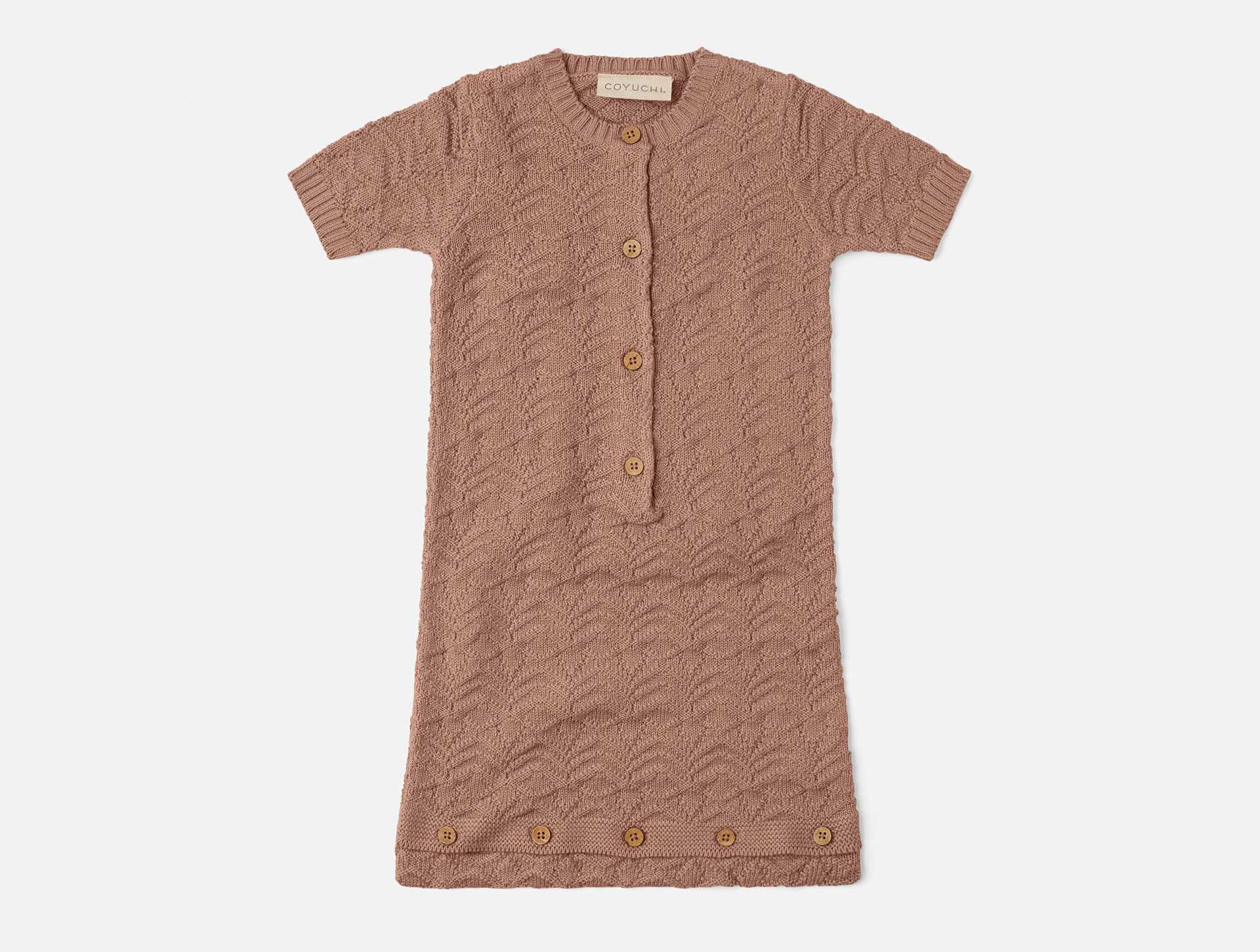
Texture can also come from the stitch itself. Ribbing creates visible raised lines; seed stitch produces a small, pebbled surface; and openwork leaves gaps within the construction. Those choices affect appearance and hand, but they can also influence how a textile drapes and how carefully it should be handled. A pronounced texture may be part of the design, so aggressive ironing or high heat could flatten or distort the effect.
In other words, the word “cotton” names the fiber, not the whole experience. When a description mentions a knit, weave, stitch, or surface treatment, it is offering clues about the fabric’s personality.
Weight, breathability, and drape
Fabric weight can help explain whether a layer feels airy or substantial, but weight alone does not determine warmth or comfort. A lighter fabric may feel crisp and easy to layer; a denser one may have more body and a more enveloping drape. The openness of the construction, the type of yarn, and the number of layers on the bed all play a part.
Breathability is often discussed as if it were a single fixed feature of a fiber. In practice, it is influenced by the fabric’s structure and the way it is used. A loosely constructed textile may allow more air movement than a tightly compact one, while a heavier coverlet or multiple layers can change how warm the bed feels. Room temperature, personal preference, and other bedding all matter.
Pay attention to how a piece is meant to function. A sheet sits close to the body and needs to feel comfortable against skin. A blanket or throw is an extra layer, so texture and drape may matter as much as direct-contact smoothness. A decorative pillow cover contributes a surface and visual accent, while its fill and shape determine support. Thinking about the job of each layer can keep a beautiful fabric from being asked to do the wrong one.
Finishing can change the hand of cotton
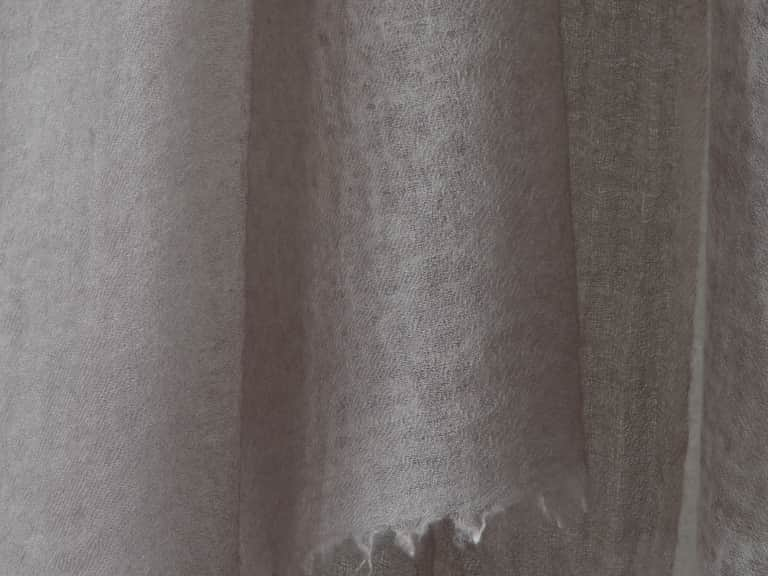
After a fabric is woven or knitted, finishing steps can affect its appearance and touch. Some textiles are washed or treated to create a relaxed, gently puckered look. Others may be brushed to raise fine fibers at the surface, making the fabric feel softer or more textured. A smooth finish, meanwhile, can emphasize a cleaner, more polished appearance.
These treatments are part of the textile’s design, but they also influence what to expect at home. A deliberately rumpled surface is not necessarily a sign that a sheet needs pressing. A brushed surface may need gentler handling than a tightly woven, smooth one. The point is not to treat every finish as delicate; it is to recognize that the finish contributes to the character you chose.
Descriptions such as “soft,” “crisp,” and “plush” can be useful, but they are subjective. If possible, compare a fabric sample in natural light and feel both sides. Notice whether the surface is slick, dry, fuzzy, or ridged. Consider whether you like a textile’s feel as it is, rather than counting on it to transform after a few washes.
Read care labels before choosing
Care instructions are practical buying information. They show how a textile is expected to be cleaned and can reveal whether it fits the pace of your household. A machine-washable item may be convenient for frequent use, while a piece that calls for gentler or professional care may ask for more planning. Neither is automatically better; the right fit depends on how you live.
Before purchasing, check the complete instructions rather than relying on assumptions about cotton. Look for the recommended water temperature, wash cycle, detergent guidance, drying method, and any notes about ironing or shape changes. Construction can matter as much as fiber: a knit or openwork fabric may stretch or distort if handled carelessly, while a finished edge or decorative detail may require extra attention.
It is also useful to consider the rest of your laundry routine. Do you wash bedding with towels, which can shed lint? Do you tend to use high dryer heat? Are you likely to follow a gentle-cycle instruction consistently? Choosing a textile whose care aligns with your habits is a simple way to make long-term satisfaction more likely.
- Cold or cool water: A common recommendation for cotton pieces, though the garment or textile label should always take precedence.
- Gentle cycles: These can reduce unnecessary agitation for textured or stretchable fabrics when the care label recommends them.
- Low heat or line drying: Heat can affect size, shape, and surface texture. Use the method specified for the item.
- Prompt removal: Taking textiles out of the dryer soon after the cycle ends can help reduce deep creasing.
- Separate thoughtfully: Washing similar colors and avoiding rough items that may snag delicate surfaces can help preserve appearance.
These are general habits, not a replacement for the manufacturer’s directions. If instructions differ from a familiar routine, follow the label for that particular piece.
Washing without losing the fabric’s character
Routine care does not need to be complicated. Start by checking the label, then use a suitable detergent and avoid overloading the washer. Bedding needs room to move through the wash; crowding it can leave items less thoroughly cleaned and may increase friction. If a textile has a strong texture, a loose knit, or details that could catch, washing it with similarly gentle pieces can be a sensible precaution.
There is often a temptation to use extra detergent in the hope of getting a fresher result. More is not always better. Follow the detergent directions for your load size and machine, and avoid adding products that are not recommended for the fabric. Residue can make textiles feel less pleasant, and strong treatments may affect color or surface over time.
Drying deserves equal attention. High heat can shrink or stress cotton, while a stretchy knit may lose its intended shape if it is hung wet in a way that pulls at the fabric. Some pieces can go in the dryer on low; others may be better dried flat or according to a specific instruction. When in doubt, consult the label rather than relying on a general rule about cotton.
Ironing is optional for many bedding styles. If a fabric is designed to look relaxed, a few creases may be part of its appeal. When pressing is recommended, use the temperature specified and take care around raised stitches or textured finishes. A clean, breathable storage space also helps keep bedding ready for its next use; avoid putting it away while it is damp.
Build a bedding mix for the season
Comfort often comes from combining layers rather than finding one textile that does everything. A breathable sheet, a lighter cover, and an additional blanket can be adjusted as the room changes through the year. This approach makes it easier to respond to cooler evenings, warm rooms, or personal differences in how much warmth feels comfortable.
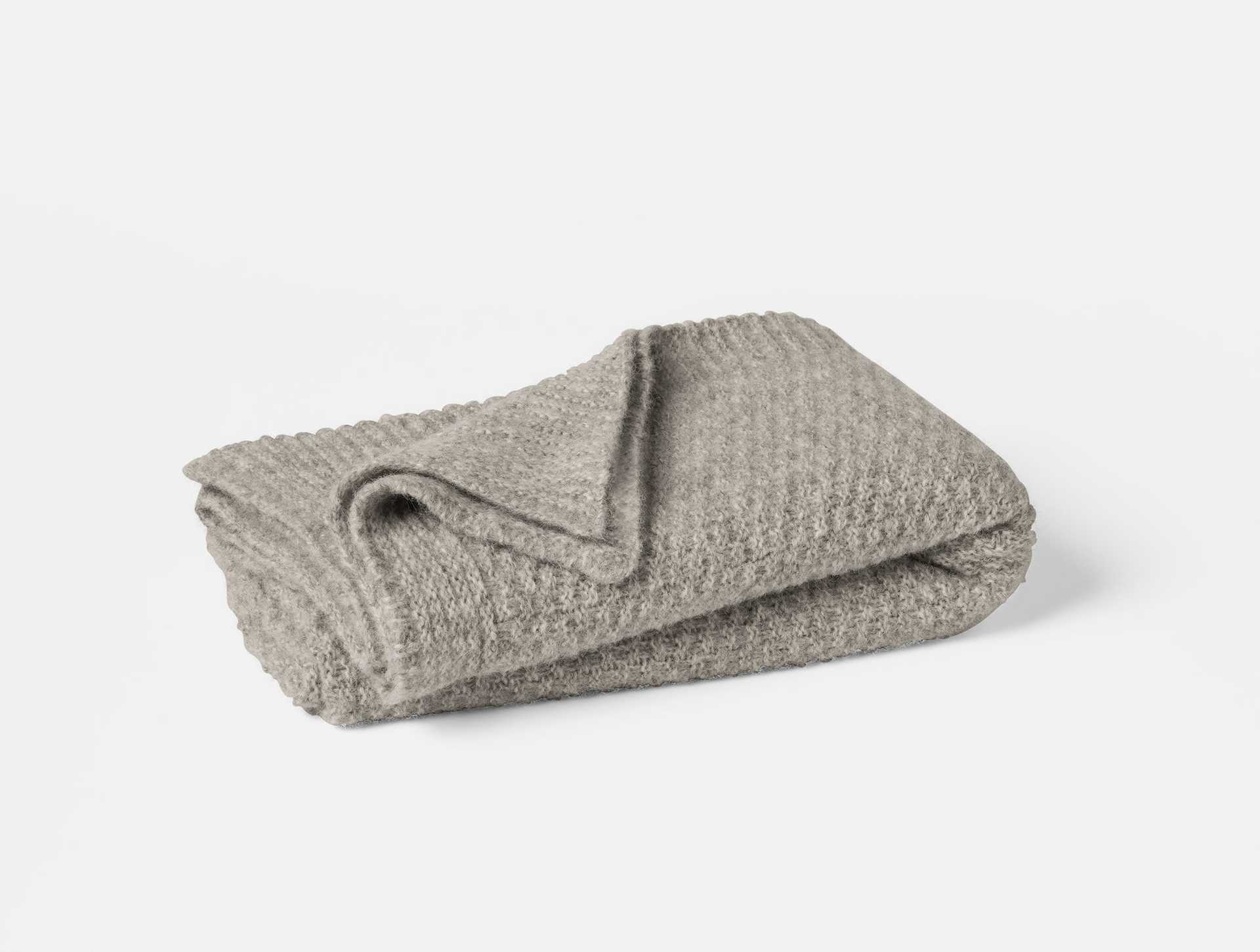
Texture can help a layered bed feel inviting without making it visually busy. Pair a smooth base with a knitted or woven accent, or bring together similar tones in contrasting surfaces. A cotton knit throw, for instance, creates a different visual and tactile note from a flat woven sheet. Keep practical use in mind, too: a layer that is easy to lift off and wash may be more useful than one that looks beautiful but rarely fits your routine.
For bedding used by children or babies, distinguish decorative layers from sleepwear and follow current safe-sleep guidance from qualified health authorities. Softness alone does not determine whether an item is appropriate for a particular sleep setting. Materials, fit, and intended use all matter, and product instructions should be read carefully.
A simple checklist for comparing bedding
Product descriptions can be dense with details, but a quick checklist helps turn them into useful decisions. Begin with the function of the item, then connect construction and care to your preferences.
- Fiber: Is the textile 100% cotton or a blend? If organic certification is mentioned, what standard is identified?
- Construction: Is it woven or knitted? Are particular weave or stitch details listed?
- Surface: Does the finish sound smooth, crisp, brushed, puckered, or visibly textured?
- Weight and use: Is it intended as a close-to-skin sheet, a warming layer, or a decorative accent?
- Care: Can you realistically follow the washing and drying directions?
- Durability details: Are shape changes, stretching, or special handling noted?
- Certifications and origin: Are claims specific and clearly described rather than presented as vague assurances?
No single answer guarantees that a textile will suit everyone. Sleep temperature, skin sensitivity, climate, and personal taste differ. But this checklist helps you compare like with like and choose based on more than a name or a promise of softness.
The takeaway: choose the feel you’ll enjoy caring for
Organic cotton is a starting point, not a complete description of bedding. Weave, knit structure, fabric weight, and finishing give a textile its individual feel, while care instructions shape how easily it fits into daily life. For Coyuchi bedding and other cotton options, reading those details together is the most useful way to understand what you are considering.
Think about the sensation you want when you climb into bed: cool and crisp, smooth and supple, or gently textured and relaxed. Then look for construction and finishing clues that support that preference. Finally, check the care label and be honest about the routine you can maintain.
The best bedding choice is not necessarily the most elaborate or the softest on day one. It is the one that feels right in your space, works with the layers you already use, and remains practical to care for. When fiber, texture, and upkeep come together, comfort becomes more than a first impression—it becomes part of the everyday ritual of settling in.